
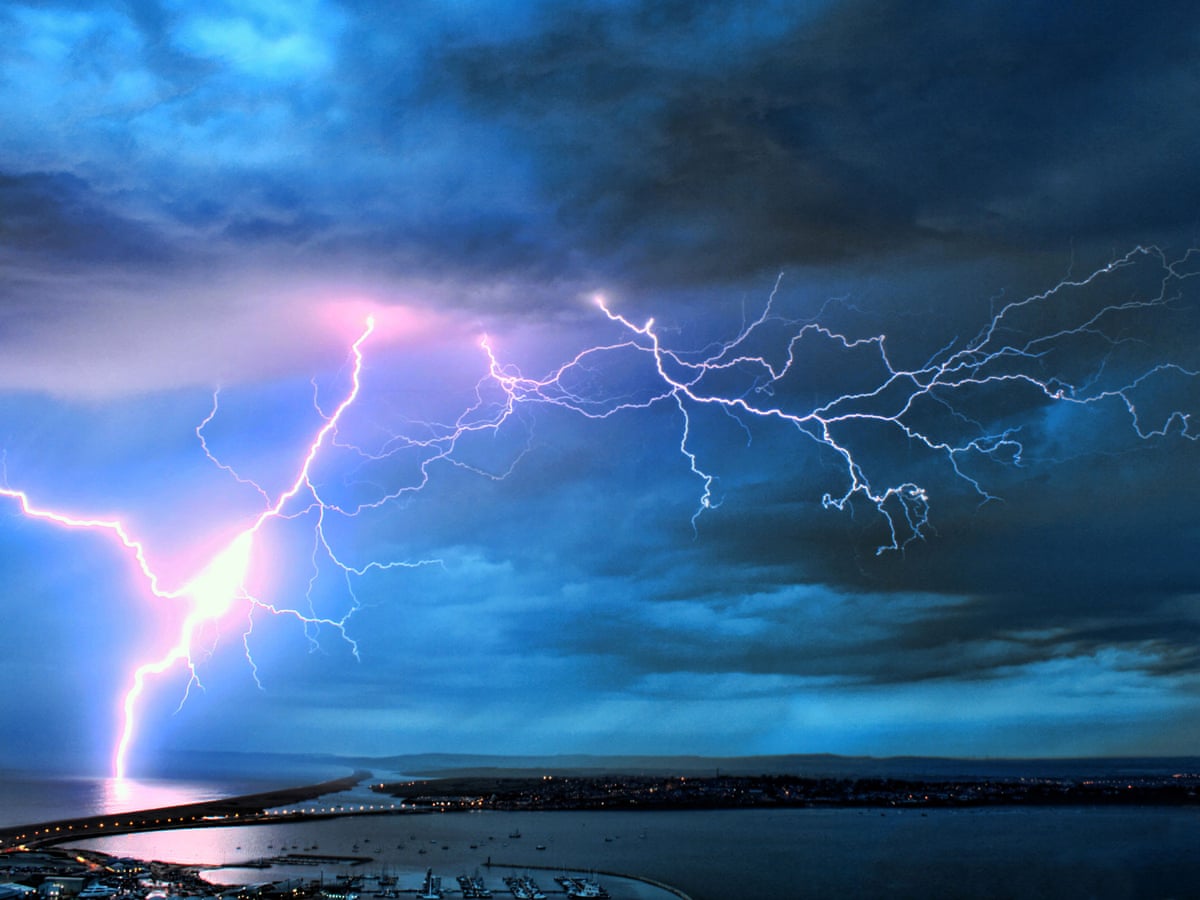
When you think about the noise of a lightning storm, what do you envision? It’s more than just booming and rain; it’s a complex blend of nature’s untamed power and musical expression. This unique soundtrack captures emotional depth through dynamic rhythms and contrasting melodies. As you explore how composers draw inspiration from storms, you might start to see the deeper connections between music and our interactions with nature. What might you discover next?
Key Takeaways
- Lightning storm soundtracks utilize dynamic rhythms and textures, reflecting the unpredictability and energy of storms, boosting emotional connection in music.
- Compositional techniques such as offbeat rhythms and layering create a full auditory experience that reflects the turbulent nature of lightning storms.
- The integration of natural sound elements, like thunder and raindrops, creates a tapestry that elicits vivid imagery and emotional reflection.
- Nature-inspired music cultivates a greater appreciation for the environment, encouraging listeners to connect their emotional experiences with natural phenomena like storms.
- Diverse music genres converge to explore storm motifs, creating novel pieces that connect with audiences through common emotional experiences tied to nature.
The Power of Nature in Music
As you tune in to music influenced by nature, you might find that the power of natural phenomena like lightning storms captures raw emotions and energy.
The intensity of booming thunder echoes deep within you, while the abrupt brightness of lightning sparks moments of insight and awareness. This vibrant interplay mirrors the wild beauty of storms, reminding you of nature’s unpredictability.
Composers often harness these elements, using rhythm and tempo to echo the powerful winds or raindrops. You’ll feel the surge as melodies rise and fall, much like the storm itself.
The urgency and thrill translate into a intense experience, enhancing your link to both the music and the world around you, immersing you in a dynamic auditory landscape driven by nature’s might.
Elements of a Lightning Storm Soundtrack
When you think about a lightning storm soundtrack, reflect on how the sound elements of nature play a crucial role in shaping its mood.
The emotional impact of sound can intensify your experience and pull you deeper into the scene.

Plus, integrating musical themes can enrich the overall atmosphere, making it truly enthralling.
Sound Elements of Nature
While you listen to a lightning storm soundtrack, you’ll find that the interaction of various sound elements creates a dynamic auditory experience.
You’ll hear the growl of thunder, a deep resonance that generates anticipation. It rolls and echoes, mimicking the momentary tension in the air. As raindrops begin to fall, they create a soft patter, adding a rhythmic layer to the storm’s symphony.
The wind, whistling at times, whips through trees, adding an element of chaos. Occasionally, you’ll notice the burst of lightning, sharp and startling, breaking through the more subdued sounds.
All these elements—thunder, rain, wind—blend to form a dense tapestry, painting the essence of a storm. Each sound brings you closer to nature’s unbridled power, luring you into its thrilling dance.
Emotional Impact of Sound
The sound elements of a lightning storm have the power to provoke a wide range of emotions, transforming your experience into something profound. The crackling of lightning, the rumble of thunder, and the patter of rain can awaken feelings of awe, fear, or tranquility.
When you hear the thunder rumble, it might ignite a sense of thrill or anticipation, pulling you into the moment. The fluctuating intensity of the storm’s sounds can mirror your emotional state, leading you through a journey of reflection.
Rainfall’s gentle rhythm can calm you, while sudden thunderclaps can jolt you awake. As these sounds intertwine, they resonate deeply, reminding you of nature’s raw power and beauty, ultimately creating an unforgettable emotional landscape.
Integration of Musical Themes
As you engage yourself in the soundtrack of a lightning storm, you’ll notice how various musical themes blend seamlessly with nature’s sounds. The rumble of thunder often pairs with deep, resonant bass, echoing the storm’s power.
High-pitched string instruments imitate the crackling of electricity, adding tension to the atmosphere. As the rain starts, gentle piano notes create a soothing contrast, enabling you to feel the calm within the chaos.
Percussion instruments might accentuate the rhythm, resembling raindrops hitting the earth, while ambient sounds pull you deeper into the experience.
You’ll find that these elements, woven together, conjure a dynamic interplay, capturing the storm’s energy, chaos, and ultimately, its beauty, creating an unforgettable auditory journey.
Compositional Techniques: Creating the Atmosphere
When you hear a lightning storm soundtrack, notice how dynamic rhythm variations create tension and excitement.
Layered instrumentation techniques also play a crucial role, adding depth and richness to the overall experience.
Together, these compositional strategies immerse you in the dramatic atmosphere of a storm.
Dynamic Rhythm Variations
While crafting a soundtrack that encapsulates the essence of a lightning storm, integrating dynamic rhythm variations can significantly enhance the atmosphere.
By alternating between intense, fast-paced beats and more measured, more intentional passages, you create a sense of strain and release that mirrors nature’s capriciousness. You might experiment with irregular rhythms to reflect the irregular nature of lightning strikes, while using extended notes during thunder to evoke a sense of dread.
Don’t shy away from sudden changes in tempo, as these can simulate sudden shifts in the storm’s force. Layering these rhythmic changes not only enthralls the listener but immerses them into the enveloping experience, making them feel as if they’re standing right in the heart of the tempest.
Layered Instrumentation Techniques
To effectively create the atmosphere of a lightning storm, layering instrumentation plays a vital role in deepening the auditory experience. You can start with a basic drone that imitates the rumble of remote thunder, anchoring your composition.
Then, add percussive elements like droplets or piercing strikes to represent lightning’s crack. You can deepen this texture by adding strings or synth pads that expand and diminish, simulating the storm’s power.
To evoke motion, build upon these layers with tuneful runs, perhaps using woodwinds or horns for a lively contrast. This approach creates suspense and release, immersing the listener into the storm’s disorder and beauty.
Emotional Impact of Thunderous Crescendos
The absolute power of thunderous crescendos evokes a instinctive response, stirring feelings ranging from wonder to fear. As these magnificent bursts of sound ascend and swell, they penetrate your very core, triggering a sense of immediacy. You might feel your heart race, each thundering note echoing like remote rumblings of nature’s wrath.
This auditory power often mirrors life’s dramatic moments, drawing you deep into the emotional chaos that thunder symbolizes. You can almost sense the electricity in the air, a tangible reminder of nature’s capriciousness.
These climaxes don’t just occupy the silence; they challenge your views, awakening a mix of exhilaration and fear. In the end, it’s this complex interplay of emotions that connects you to the music, creating an unforgettable experience.
The Calm Before the Storm: Melodic Reflection
How does music capture the quiet that often precedes a storm? It’s in the delicate melodies, soft harmonies, and nuanced instrumental choices that you find that peaceful moment before chaos unfolds.
As you hear, the soft notes imitate the hushed whispers of nature, urging you to stop and reflect. Strings flow effortlessly, crafting an ethereal atmosphere that soothes your senses.
Soft percussion may add, reminiscent of far-off rumbles in the sky, building anticipation without overwhelming you. This sonic space invites introspection, allowing you to feel the heaviness of the air and the strain in the atmosphere.
You’re drawn into a world where emotions swell, beautifully capturing that touching calm before the intensity of the storm finally breaks.
Musical Influence From Classical Composers
Classic composers have a knack for capturing the spirit of nature, and their works often reflect the environmental shifts that accompany a lightning storm.
Consider of Vivaldi’s “The Four Seasons,” where you can nearly feel the tension of an coming storm in the music’s crescendos.
Beethoven’s dramatic compositions, like the “Symphony No. 6,” depict the chaos and beauty of nature’s threats and wonders. You can’t ignore the more intense passages that echo with the rolling thunder.
Likewise, Debussy’s “La Mer” transports you to the stormy sea, reflecting lightning’s flicker against gloomy skies.
Contemporary Artists and Lightning Storm Influence
Contemporary artists are increasingly harnessing the dramatic energy of lightning storms into their work, taking direct inspiration from nature’s untamed power. You may observe how musicians incorporate booming percussion and eerie synths to mimic the feel of a storm rolling in.
For example, electronic musicians often use sudden dynamic shifts, creating the disconcerting anticipation before a strike. Alternative bands might incorporate background noises, like raindrops or far-off thunder, creating a vivid auditory experience that transports you to a storm.
Even mainstream musicians are exploring storm-inspired motifs, employing lyric imagery that reflects turbulent emotions. By tapping into the power and complexity of a thunderstorm, contemporary musicians craft immersive experiences that connect on a profoundly emotional level, encouraging you to experience the natural world’s might through sound.
Crafting Personal Connections Through Nature-Inspired Music
As you delve into nature-inspired music, you might find that these soundscapes create a stronger personal connection to the environment around you.
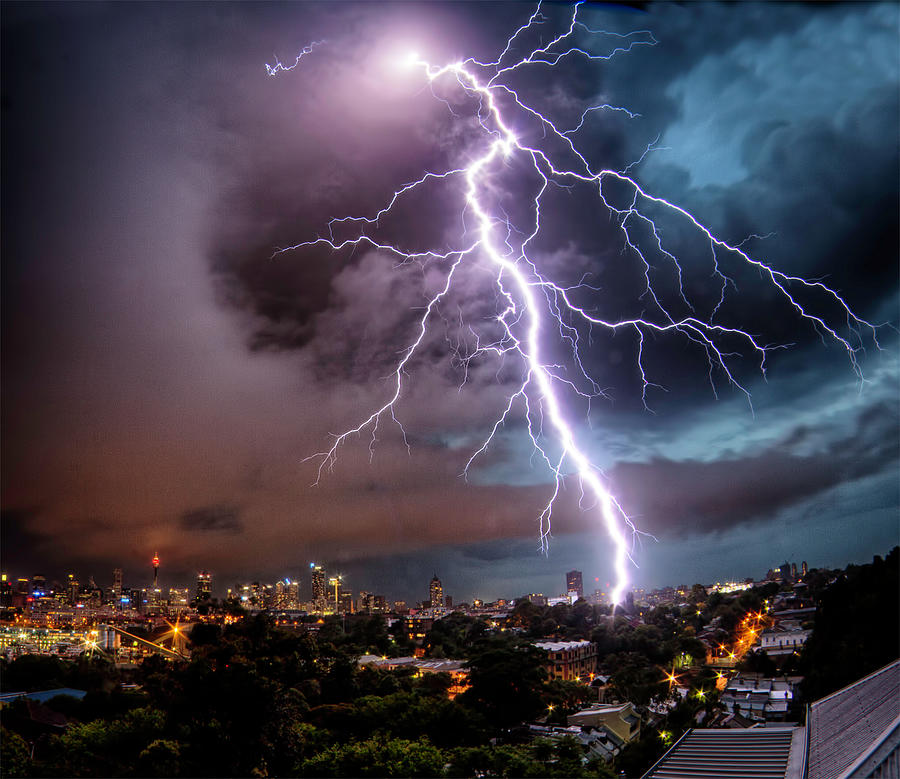
The noises of whispering foliage, chirping birds, and distant thunder can bring forth memories or emotions connected to your moments outdoors. When you hear compositions that mimic these elements of nature, you’re transported to peaceful settings, allowing you to ponder and recharge.
This connection is more than just auditory; it bridges gaps in your comprehension of the natural world’s rhythm and beauty. You might discover that the music resonates with your own life’s ups and downs, mirroring your path.
Engaging with this genre encourages you to value both the power of sound and the intricate connection between people and the natural world.
Frequently Asked Questions
How Do Lightning Storms Influence Different Music Genres?
Lightning storms influence various music genres by creating dramatic atmospheres. You’ll find echoes of thunder in rock, haunting melodies in classical, and rhythmic patterns in electronic, as artists seize the storm’s energy and raw emotion.
Are There Specific Cultural Interpretations of Storm-Related Music?
Yes, there are specific cultural interpretations of storm-related music. You’ll find that different cultures often integrate their local myths, emotions, and experiences in such music, transforming storms into powerful symbols of chaos, beauty, and renewal.
What Role Do Sound Effects Play in Storm-Themed Music?
Sound effects create an immersive experience in storm-themed music. You’ll feel the tension and drama as thunder and rain amplify the mood, making the music resonate more deeply and emotionally, pulling you into the storm’s intensity.
Can Weather Conditions Affect a Musician’s Creative Process?
Yes, weather conditions can influence your creative process. Stormy days might inspire darker, more intense music, while sunny weather could result in lighter, more uplifting melodies. Pay attention to how your surroundings influence your sound!
How Is Lightning Storm Music Used in Film and Media?
Lightning storm music amplifies tension and drama in film and media. You’ll notice how it elevates emotional impact, setting moods and amplifying themes, immersing viewers deeply into the narrative through its powerful soundscapes.
Conclusion
In closing, the “Lightning Storm Soundtrack” expertly combines the natural power of nature with expressive musicality, encouraging you to bond profoundly with the elements. As you engulf yourself in resounding crescendos and reflective melodies, you’re made aware of nature’s beauty and force. This soundtrack not only captures the storm’s spirit but also motivates you to contemplate on your own experiences, creating a individual bond with the wild symphony around you. Embrace the journey and let it inspire you.